
Have you noticed?
Writing starts with seeing.


Don’t miss out. The waitlist for my book proposal course closes soon.
Save your spot here.
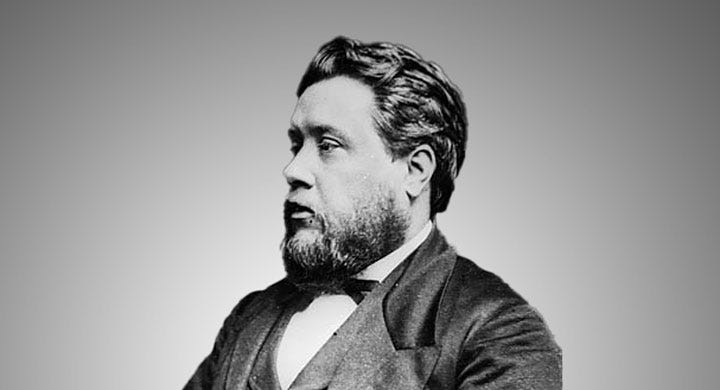
”The difference between eyes and no eyes is wonderful.” —Charles Spurgeon
Great writers notice things.
They notice the irregular cracks in the sidewalk.
They note how the sky changes colors every hour.
They eavesdrop on the old lady in the checkout line, collecting clues about her story.
They’re not embarrassed to stoop and examine a flower.
They’re endlessly fascinated with why people are the way they are.
They don’t just watch films; they digest them.
They fill a glass with tap water, marveling at the human ingenuity that made this simple act possible.
Yes, writers are exemplary noticers.
Small beginnings
Mistakenly, we think inspiration comes with fanfare—like some dignitary flanked by a motorcade. But most ideas float gently into our consciousness, landing with the delicacy of a dandelion seed.
A little observation here. A flash of awe there. Blink and you’ll miss it. The trick is to notice it. Capture it. Nurture it. Big ideas come from small beginnings.
Open Your Eyes
Over 130 years ago, Charles Spurgeon challenged his students to become noticers:
”You may learn much by keeping your eyes open. Current history, incidents which transpire under your own nose, events recorded in the newspaper, matters of common talk—you may learn from them all…
Keep your eyes open wherever you go, and you will find something worth looking at.
Can you not learn from nature? Every flower is waiting to teach you.
“Consider the lilies,” and learn from the roses. Not only may you go the the ant, but every living thing offers itself for your instruction.
There is a voice in every gale, and a lesson in every grain of dust it bears. Ideas glisten in the morning on every blade of grass, and homilies fly to you as the sere leaves fall from the trees. A forest is a library, a cornfield is a volume of philosophy, the rock is a history, and the river at its base a poem.
Go, you who have your eyes opened, and find lessons of wisdom everywhere.”
If these words don’t nudge you to notice, nothing will.
How To Start
If you want to become a better noticer, here’s an easy place to start. Wherever you go, ask three questions:
Where do I see beauty and truth?
Where do I see pain and brokenness?
Where do I see God bringing redemption?
Try this now, right where you are. Seriously, look around you. What do you hear, see, smell, taste, and feel? Hone in on something. Then ask the questions.
Where do I see beauty and truth? Where do I see pain and brokenness? Where do I see God bringing redemption?
It feels silly, I know. Ignore that inner voice that feels foolish in moments of reflection. Every discovery—no matter how small—is worthwhile. This is how writers see the world. This is how ideas are born.
We are called to be present, not just passing through. Or in Thoreau’s words, to “live deep and suck out all the marrow of life.”
So, what do you see?
Will
PS - I’m rolling out a course on “How to Build a Book Proposal.” Join the waitlist here.

Will is the founder of Writers Circle, a community to help writers sharpen their skills and publish their work for the glory of Jesus. He is a senior editor at Waterbrook and Multnomah—an imprint of Penguin Random House.
Learning "how to see" is so crucial for sparking new ideas. Also important is what I call "seeing gaps," especially in how others discuss something. Every gap in explanation often signals that they are missing something that you have an inkling about, and thus can then lead you to develop that inkling into an idea to write about.
Springtime offers fresh opportunities for sights, smells, and sounds.